

If you’ve been in construction or infrastructure long enough, you already know one thing – steel has its limits. Corrosion, maintenance costs and long-term damage are real concerns, especially in coastal or industrial environments. That’s exactly why gfrp rebar is getting attention across projects today.
Unlike other reinforcement options, the introduction of gfrp rebar is revolutionizing the approach to engineering. The intent is not to replace steel in all applications but to use the most appropriate reinforcement where required.
Let’s break it down in a simple and practical way.
What is GFRP Rebar?
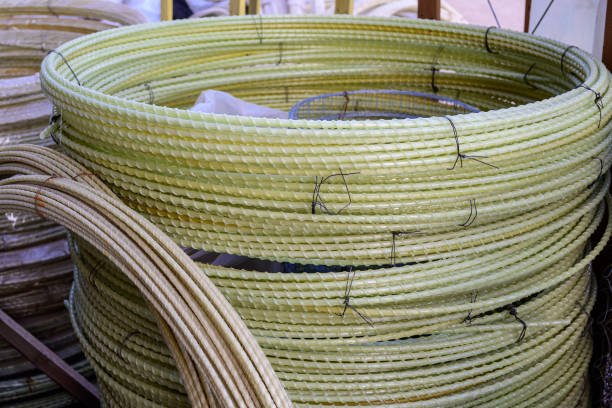
GFRP rebar is a reinforced bar fabricated from fiber glass and polymers, as opposed to the metallic bars used for concrete reinforcement. The biggest advantage is that it does not rust, corrode or interact chemically with its surrounding environment.
The reinforcement bar contains fiberglass, which is responsible for carrying the loading, while the resin holds the bar together and protects it from external damage.
In simple terms, it does the same job as steel in concrete but behaves very differently over time. This combination gives the bar high tensile strength while keeping it lightweight.
How Does GFRP Rebar Work in Construction?
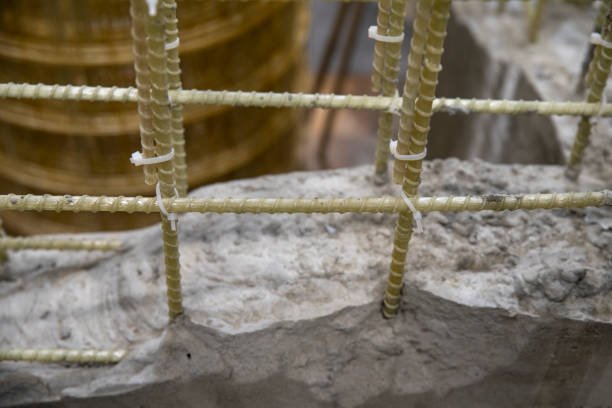
To understand how gfrp rebar works, think about what reinforcement actually does.
Concrete is strong in compression but weak in tension. That’s why reinforcement is added to handle tensile forces and prevent cracks.
1. Handling Tensile Stress
Just like steel, glass fiber reinforced polymer bars take up the tensile load in a concrete structure. When the structure is under stress, the rebar absorbs the tension and helps prevent cracking or failure.
2. Bonding with Concrete
These bars are designed with a textured or coated surface so they grip well with concrete. This bond is important because it allows both materials to work together as one unit.
3. No Corrosion Over Time
Here’s where things change. Steel starts to corrode when exposed to moisture, salts, or chemicals. glass fiber reinforced polymer bars don’t. It stays stable, which means the structure doesn’t weaken from the inside.
4. Long-Term Performance
Because it doesn’t degrade easily, structures reinforced with gfrp rebar tend to perform consistently over time without the hidden damage you often see with steel.
How GFRP Rebar is Manufactured
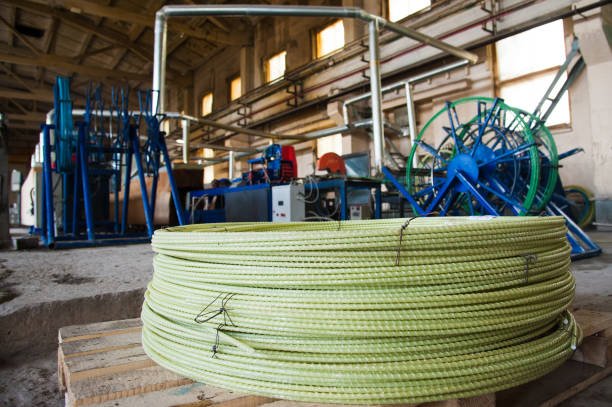
The manufacturing process plays a big role in how these bars perform.
It usually starts with continuous glass fibers, which are aligned in one direction. These fibers are then passed through a resin bath so they get fully coated.
After that, the material goes through a process called pultrusion, where it is pulled through a heated die to form solid bars. During this stage, the resin hardens and locks the fibers in place.
Finally, the surface is treated to improve bonding with concrete.
The result is a strong, consistent reinforcement bar that’s ready for structural use.
Key Properties of GFRP Rebar
Here’s a quick look at what makes glass fiber reinforced polymer bars different:
These are the reasons why gfrp rebar manufacturers in India are seeing growing demand from infrastructure projects.
| Property | What It Means in Real Use |
| High tensile strength | Handles tension effectively in reinforced concrete |
| Corrosion resistance | Doesn’t rust in water, chemicals, or salt exposure |
| Lightweight | Easier to transport and install on site |
| Non-conductive | Safe for electrical or sensitive environments |
| Long lifespan | Reduces repair and replacement needs |
Where is GFRP Rebar Used?
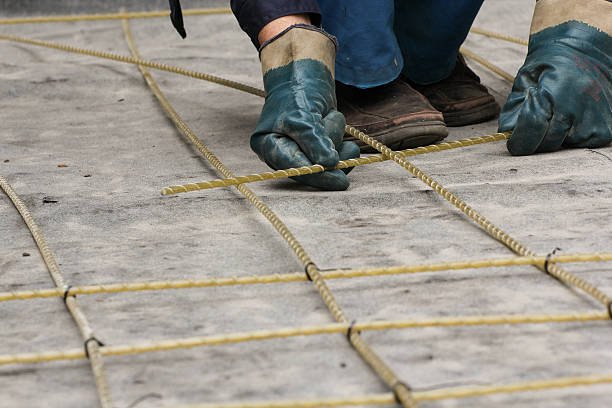
The use of gfrp bars in India is increasing, especially in projects where steel struggles over time.
Bridges and Highways
Constant exposure to weather and traffic makes durability important. Composite reinforcement helps reduce long-term damage.
Coastal Structures
Saltwater is one of the biggest causes of steel corrosion. This is where glass fiber reinforced polymer bars perform much better.
Industrial Flooring
Factories often deal with chemicals and heavy loads. Composite reinforcement holds up well in such conditions.
Chemical Plants
These environments can be harsh on traditional materials. Composite bars offer better resistance.
Underground Structures
Moisture and soil conditions can affect steel. Composite reinforcement avoids these issues.
This growing usage is why many contractors now actively look for reliable gfrp rebar suppliers in India.
GFRP Rebar vs Steel Rebar
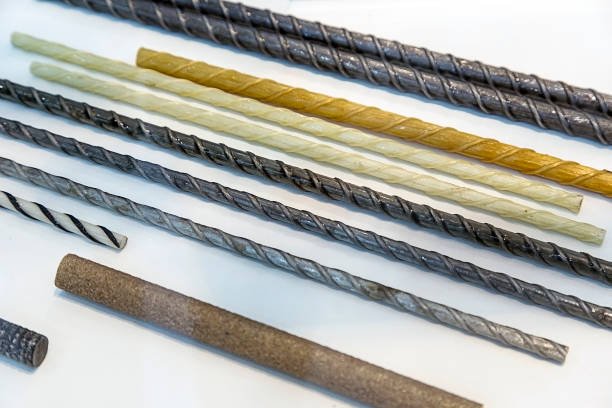
This comparison usually comes up in almost every project discussion.
| Feature | GFRP Rebar | Steel Rebar |
| Corrosion | Does not corrode | Prone to rust |
| Weight | Lightweight | Heavy |
| Maintenance | Low | Higher over time |
| Lifespan | Longer in harsh environments | Can degrade |
| Conductivity | Non-conductive | Conductive |
Steel still has its place but in environments where corrosion is a concern, gfrp rebar often makes more sense.
Advantages of Using GFRP Rebar
When you look at actual project performance, a few benefits stand out:
Less Maintenance
Since there’s no corrosion, you don’t deal with frequent repairs.
Longer Structural Life
Structures stay stronger for longer periods.
Ease of Handling
Being lightweight makes transportation and installation easier.
Better in Harsh Conditions
Works well in marine, chemical and high-moisture environments.
These are the reasons why gfrp rebar manufacturers in India are becoming more relevant in modern construction.
Design Considerations Engineers Should Know
It’s important to understand that glass fiber reinforced polymer bars is not a direct one-to-one replacement for steel.
One key difference is stiffness. These bars have a lower modulus of elasticity compared to steel, which means they behave differently under load.
Because of this, engineers need to:
- Adjust structural designs accordingly
- Ensure proper anchorage and bonding
- Follow relevant design standards
- Plan installation carefully
Once these factors are accounted for, performance is reliable and consistent.
Challenges or Limitations
No material is perfect and it’s better to be clear about that.
- Initial cost can sometimes be higher than steel
- Design approach is different
- Requires proper understanding before use
However, when you consider lifecycle cost and durability, these challenges are often manageable.
What’s Next for GFRP Rebar?
The shift toward durable and low-maintenance materials is only getting stronger.
Infrastructure projects are becoming larger and more complex. At the same time, there’s pressure to reduce long-term costs and improve sustainability.
This is where materials like glass fiber reinforced polymer bars fit in naturally. As awareness grows, more engineers and contractors are exploring its use across different types of projects.
The steady rise of gfrp bars in India clearly shows that this is not just a trend, it’s a long-term shift.

At its core, gfrp rebar is about solving a problem that the industry has faced for years – corrosion and maintenance.
It offers a practical solution for projects where durability matters, especially in environments where steel struggles. While it does require a different approach in design, the long-term benefits make it worth considering.
For construction companies and infrastructure developers looking to explore advanced reinforcement solutions, working with experienced gfrp rebar suppliers in India can make a real difference.
If you’re planning projects that demand durability and long-term performance, you can explore reinforcement solutions from Global Fiber Reinforced Polymer LLP, known for delivering reliable and high-performance composite reinforcement materials.
FAQs
1. What is GFRP rebar used for?
GFRP rebar is used to reinforce concrete in structures like bridges, coastal projects, industrial flooring and chemical plants where corrosion resistance is important.
2. How does GFRP rebar work in concrete?
It takes on tensile stress within concrete, helping prevent cracks and improving the overall strength of the structure.
3. Does GFRP rebar rust?
No, it does not rust because it is made from glass fibers and polymer resin instead of metal.
4. Is GFRP rebar better than steel?
It performs better in corrosion-prone environments but design considerations differ from steel.
5. Are GFRP bars in India widely used?
Yes, their use is increasing across infrastructure and industrial projects due to their durability and low maintenance needs.