

Introduction to GFRP Rebars
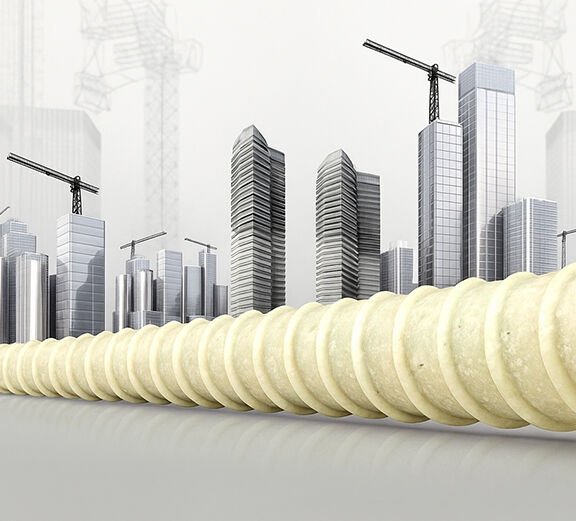
GFRP (Glass Fiber Reinforced Polymer) rebars are advanced, non-corrosive reinforcing bars used in concrete structures. Unlike traditional steel rebars, GFRP rebars are made from high-strength glass fibers embedded in a polymer matrix, making them corrosion-resistant, lightweight, and durable. As industries search for cost-effective, long-lasting solutions, GFRP rebars are quickly becoming the go-to alternative for infrastructure, marine, and industrial applications.
Glass Fiber Reinforced Polymer (GFRP) rebars are redefining modern reinforcement practices by offering a corrosion-free, lightweight and high-performance alternative to traditional steel. As demand grows across infrastructure, coastal and industrial projects, choosing the right GFRP rebar suppliers in India becomes critical for long-term structural reliability.
Designed for durability and performance, glass fiber reinforced polymer bars are increasingly preferred in applications where corrosion resistance, low maintenance and extended service life are essential. With consistent quality, engineered precision and reliable supply capabilities, trusted GFRP rebar suppliers in India play an important role in supporting large-scale construction requirements across the country.
Introduction to GFRP Rebars
GFRP (Glass Fiber Reinforced Polymer) rebars are advanced, non-corrosive reinforcing bars used in concrete structures. Unlike traditional steel rebars, GFRP rebars are made from high-strength glass fibers embedded in a polymer matrix, making them corrosion-resistant, lightweight, and durable. As industries search for cost-effective, long-lasting solutions, GFRP rebars are quickly becoming the go-to alternative for infrastructure, marine, and industrial applications.
Glass Fiber Reinforced Polymer (GFRP) rebars are redefining modern reinforcement practices by offering a corrosion-free, lightweight and high-performance alternative to traditional steel. As demand grows across infrastructure, coastal and industrial projects, choosing the right GFRP rebar suppliers in India becomes critical for long-term structural reliability.
Designed for durability and performance, glass fiber reinforced polymer bars are increasingly preferred in applications where corrosion resistance, low maintenance and extended service life are essential. With consistent quality, engineered precision and reliable supply capabilities, trusted GFRP rebar suppliers in India play an important role in supporting large-scale construction requirements across the country.
Features

Lightweight

Corrosion-resistant

Strong

Cost-effective

Low Maintenance

Longer Life
Easy Handling
Strong Bond Strength

Customised Lengths

Non-Conductive

Non-Magnetic

Non-Electromagnetic
Manufacturing Process
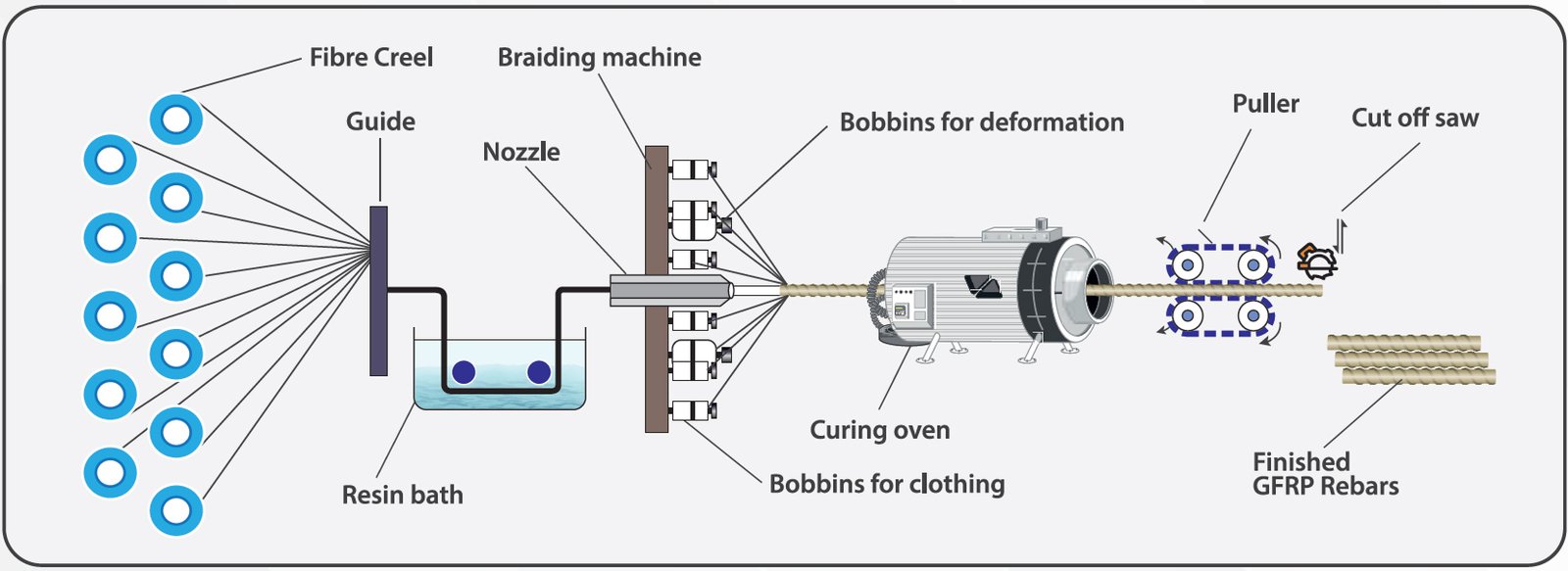
Manufactured through a highly controlled pultrusion process Continuous glass fibres are drawn from spools and passed through a resin bath, where they are coated with a polymer resin, typically made of vinyl ester or epoxy
This resin-coated fibre bundle is then pulled through a heated die, which shapes it into the required diameter and ensures uniform coating of the resin around the fibers.
The die also initiates the curing process, where heat solidifies the resin to form a rigid, solid composite material Once the curing is complete, the GFRP rebar is cut to the desired lengths and surface-treated to enhance bonding with concrete.
Manufacturing Capability & Quality Commitment
As one of the established GFRP rebar manufacturers in India, the manufacturing process focuses on precision pultrusion, controlled resin impregnation and strict dimensional consistency. Every batch of GFRP rebar is produced under closely monitored conditions to ensure uniform strength, surface integrity and compliance with applicable Indian standards.
Recognised among reliable FRP rebar manufacturers in India, our manufacturing setup is designed to support bulk supply requirements while maintaining consistent quality across all diameters and lengths. Advanced quality checks ensure that GFRP bars in India supplied for infrastructure and industrial use meet both structural and durability expectations.
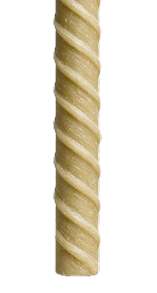
Product Specifications

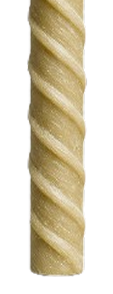
0.065
Kg/mtr
6mm
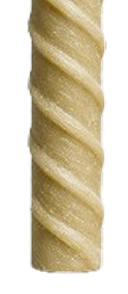
0.116
Kg/mtr
8mm
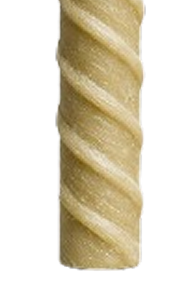
0.175
Kg/mtr
10mm
0.25
Kg/mtr
12mm
0.45
Kg/mtr
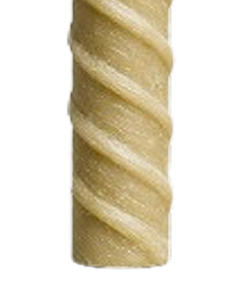
16mm
0.685
Kg/mtr
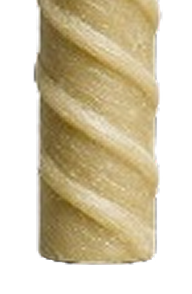
20mm
1.07
Kg/mtr
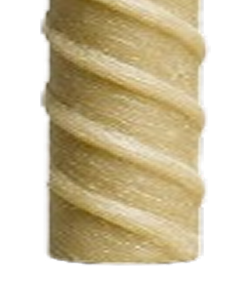
25mm

Upto 100 metres
(In coil form)

Upto 12 metres (In staight bars)
Diameter
Length Available
Unit Weight
Bend Bar
90 - Degree Bend
45 - Degree Bend
Hook Bend
Offset Bend
S Bend
U Bend
Bend
* Note : Actual weight may vary as per tolerances
Technical Specification of GFRP Rebars
FRP Rebar (6, 8, 10, 12 mm)
FRP Rebar (16, 20, 25 mm)
| Sr. No. | Properties | UOM | Tolerance | IS 18256 : 2023 | TSL GFRP Rebar |
|---|---|---|---|---|---|
|
1 |
Glass Content |
% |
±5 |
≥ 75 |
≥ 80 |
|
1 |
Tensile Strength |
Mpa |
min. |
700 – 850 |
1100 – 1200 |
|
3 |
Tranverse Shear Tensile |
Mpa |
|
≥ 130 |
130 – 200 Mpa |
|
4 |
Tensile Modulus of Elasticity |
Mpa |
|
≥ 45000 |
45000 – 55000 |
|
5 |
Ultimate Tensile Strain |
% |
|
≥ 1.1 |
≥ 1.1 |
|
6 |
Glass Transition Temperature |
oC |
|
≥ 100 |
101-115 |
|
7 |
Moisture Absorption (short hrs.) |
% |
min. |
≥ 0.25 |
≥ 0.25 |
|
8 |
Moisture Absorption
(Iong term) |
% |
min. |
≥ 1 |
≥ 1 |
|
9 |
Alkaline Resistance |
Mpa |
|
≥ 80 % of mean ultimate tensile force of pristine bars |
≥ 80 % of mean ultimate tensile force of pristine bars |
|
10 |
Bond Strength |
Mpa |
|
≥ 7.6 |
8-15 |
| Sr. No. | Properties | UOM | Tolerance | IS 18256 : 2023 | TSL GFRP Rebar |
|---|---|---|---|---|---|
|
1 |
Glass Content |
% |
±5 |
≥ 75 |
≥ 80 |
|
1 |
Tensile Strength |
Mpa |
min. |
550-650 |
16 mm ≥ 700 20 mm ≥ 650 25 mm ≥ 650 |
|
3 |
Tranverse Shear Tensile |
Mpa |
|
≥ 130 |
135 – 200 Mpa |
|
4 |
Tensile Modulus of Elasticity |
Mpa |
|
≥ 45000 |
45000 – 55000 |
|
5 |
Ultimate Tensile Strain |
% |
|
≥ 1.1 |
≥ 1.1 |
|
6 |
Glass Transition Temperature |
oC |
|
≥ 100 |
101-115 |
|
7 |
Moisture Absorption (short hrs.) |
% |
min. |
≥ 0.25 |
≥ 0.25 |
|
8 |
Moisture Absorption
(Iong term) |
% |
min. |
≥ 1 |
≥ 1 |
|
9 |
Alkaline Resistance |
Mpa |
|
≥ 80 % of mean ultimate tensile force of pristine bars |
≥ 80 % of mean ultimate tensile force of pristine bars |
|
10 |
Bond Strength |
Mpa |
|
≥ 7.6 |
8-15 |
Benefits of GFRP Rebar
GFRP & TMT Bars
Can be used together in construction.
Magnetic Transparency
ARC GFRP Rebars are non-magnetic and contain no IONS. Hence are ideal reinforcement for areas close to magnetic apparatus – such as hospital MRI rooms, Electronic testing devices and certain high-voltage applications.
Improved Leak Resistance
In underground tanks, GFRP rebar helps improve leak resistance by minimizing the risk of concrete cracking and spalling caused by reinforcement corrosion, ensuring better watertightness.
No Problem with Tunnel construction
GFRP’s non-conductive and corrosion-resistant properties make it well-stuited for tunnel construction, where such characteristics are crucial
Corrosion Resistance
Glass Fiber Reinforced Polymer rebar resists corrosion and electrochemical degradation, ensuring long-term durability and structural integrity in harsh environments such as marine, soil, or urban settings.
Extended Service Life
By eliminating rust and corrosion risks, GFRP rebar extends the lifespan of structures like boundary walls, roads, foundations, and tanks, reducing maintenance and repair costs.
Lightweight and High Strength
With a high strength-to-weight ratio, GFRP rebar is lighter than steel but maintains excellent tensile strength, facilitating easier handling, reduced labour costs, and more efficient construction processes.80% Lighter than TMT bar.
Non-Conductive Properties
The non-conductive nature of GFRP rebar prevents stray current-induced corrosion, enhancing durability in areas with electrical installations or cathodic protection systems.
No Theft in Transit / Sile of TMT Bars
As GFRP Rebars have specific application and no resale value in the open market, they are not prone to theft of TMT bars during transit or theft at site. This will further help reduce project costs by lacs of rs
Reduction of Rebar Scraps
GFRP bars, mesh, and bent elements are custom made to precise dimensions, reducing waste and minimizing rebar scraps during construction.
Saving in Overlapping Cost of TMT Bars
GFRP elements do not require overlapping as traditional TMT bars do, resulting in cost savings on materials and labor
Cost Savings
Using GFRP rebar results in substantial cost savings over the lifecycle of structures due to reduced maintenance and repair needs, as well as potentially lower installation costs.
Sustainable Construction
GFRP rebar supports environmentally conscious practices by reducing the carbon footprint associated with frequent repairs and replacements, contributing to greener construction solutions.
Improved Structural Performance
The corrosion resistance of GFRP rebar helps prevent concrete cracking and spalling, maintaining structural integrity and load-bearing capacity in foundations, columns, beams, and other elements.
Versatility
GFRP rebar is suitable for various applications, including boundary walls, concrete roads, foundations, piles, retaining walls, and underground tanks, providing design flexibility and adaptability.
Enhanced Seismic Performance
GFRP rebar’s high tensile strength and elastic behavior improve the seismic performance of structures, offering increased ductility and energy dissipation capacity.
Improved Constructability
The lightweight nature of GFRP rebar simplifies handling and installation, improving construction efficiency and reducing the risk of errors.
Aesthetic Durability
GFRP rebar’s corrosion resistance prevents unsightly rust stains and spalling, maintaining the aesthetic appeal of structures over time.
Resistance to Fatigue
GFRP rebar’s excellent fatigue resistance makes it suitable for cyclic loading conditions, such as those found in marine structures or bridges.
Highly Chemical Resistant
GFRP is highly resistant to chemical corrosion. making it ideal for use in aggressive environments or marine structures
20 Times the Fatigue Resistance of steel
GFRP has 20 times the fatigue resistance of steel. making GFRP more durable under cyclic loading-420, 684 cycles for GRP compare to 23,162 cycles for steel.
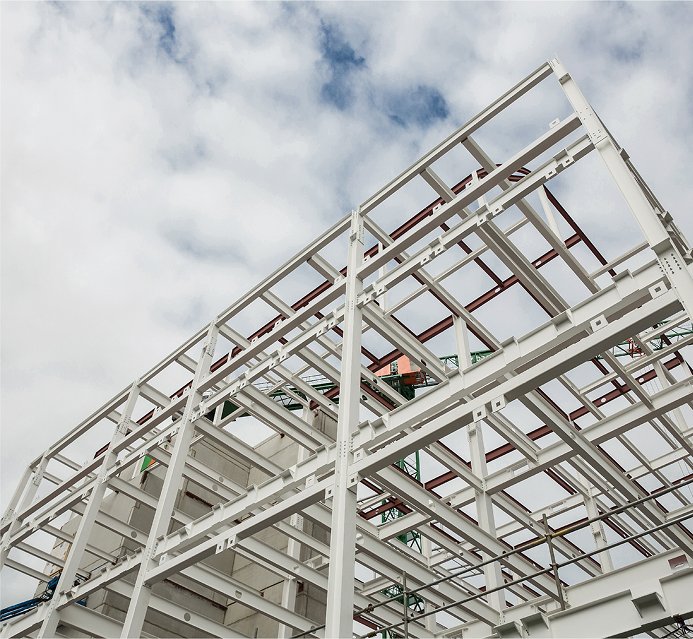
Why the Shift to GFRP Rebar Is Accelerating
Infrastructure failures caused by corrosion, chemical exposure and moisture ingress have significantly increased lifecycle costs in reinforced concrete structures. This has led engineers and project consultants to actively transition from steel to GFRP rebar for future-ready construction.
- Steel corrosion leads to frequent repairs and structural weakening
- Coastal and chemical environments demand non-reactive reinforcement
- Lightweight GFRP rebar reduces transportation and handling costs
- Long service life improves project economics and safety compliance
As a result, GFRP bars in India are now being adopted across bridges, highways, water treatment plants and industrial foundations where long-term durability is non-negotiable.
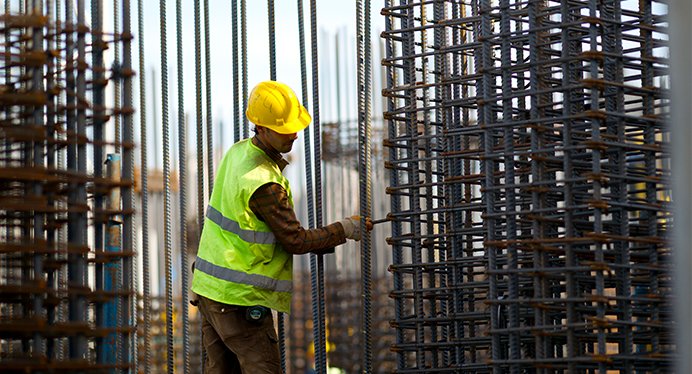
Problems with TMT Rebars
CORROSION
TMT bars are prone to corrosion when exposed to moisture, chemicals, or saline environments, compromising their strength and the structural integrity of buildings over time,
THEFT DURING TRANSIT AND ON-SITE
TMT bars are highly vulnerable to theft, especially during transit or at unsecured construction sites. Reports suggest theft rates can reach up to 20%, causing financial losses and project delays.
LABOR-INTENSIVE INSTALLATION
Handling, cutting, bending. and placing TMT bars demand skolled labor. making the process time-consuming and adding to overall project costs, especially in large-scale construction projects. The bending, cutting, and placement of bars demand skilled labor and may increase construction timeframes,
RISING COSTS
The cost of TMT bars is highly volatile due to fluctuating raw material prices, increasing transportation expenses, and rising labor costs. These factors contribute to unpredictable project budgets, making it challenging to mai ntain financial control over construction expenses.
CUTTING OF OPENING IN CONCRETE STRUCTURES
Incorporating openings, such as doorways or windows, in concrete structures with TMT bars can be labor-intensive and time-consuming, Special tools and techniques are often required for precise cutting, adding to construction complexity.
SCRAP GENERATION AND WASTE
Cutting and bending TMT bars to fit specific designs often generate significant scrapt creating waste management challenges and adding to project inefficiencies. The disposal of the scrap can be concern and wate management challenge.
MARKET PRICE VOLATILITY
Frequent fluctuations in TMT bar prices due to market dynamics can significantly impact
construction budgets, requiring constant adjustments during procurement.
These challenges highlight the need for more innovative, cost-effective, and efficient alternatives like GIGABAR* GFRP Rebar by Aeron Composite, which address many of these concerns,
GFRP BAR vs TMT BAR
| PROPERTIES | Grade 500 | GFRP | COMPARISON |
|---|---|---|---|
| Tensile strength MPa | 500 min | 800-1100 | Stronger |
| Weight/Meter 8mm | 0.395 kg | 0.099 kg | Lighter |
| Bar Length | 12 meter | upto 100 meters | Better improvement |
| Cost | Higher | Lower | Cost effective |
| Life Spend | 50 years | (+) 80 years | More durable |
| Corrosion resistance | No | Yes | More durable |
| Electric conductivity | Yes | No | No accidents risk |
| Thermal conductivity | Yes | No | Does not dissipate heat |
| Concrete covering | 35mm - 45mm | 20mm | Lower concrete volume |
| Shear Strength | 120 | 170 | Higher |
| Bond strength MPa/N/mm2 | ≥ 10 | ≥ 7.6 | Lower |
| Compression MPa/N/mm2 | 500 | 450 | Lower |
| Modulus of Elasticity [Gpal | 160-200 | 65 | Lower |
| Elongation [%] | 12% (min.) | 4% (max.) | Lower |
| Density [ton/m3] | 7.8 | 1.9 | Lower |
| EMI/RFI Transparency | NO | Yes | Transparent To EMI/RFI |
| Linear expansion coefficient, a*10-6/oC | 13-15 | 9-12 | Lower |
| Installation, Handling & Transport Cost | High | Low | Cost Effective |
| Environmental Impact | High | Low | 45% Less C02 emission |
Spectrum of Applications
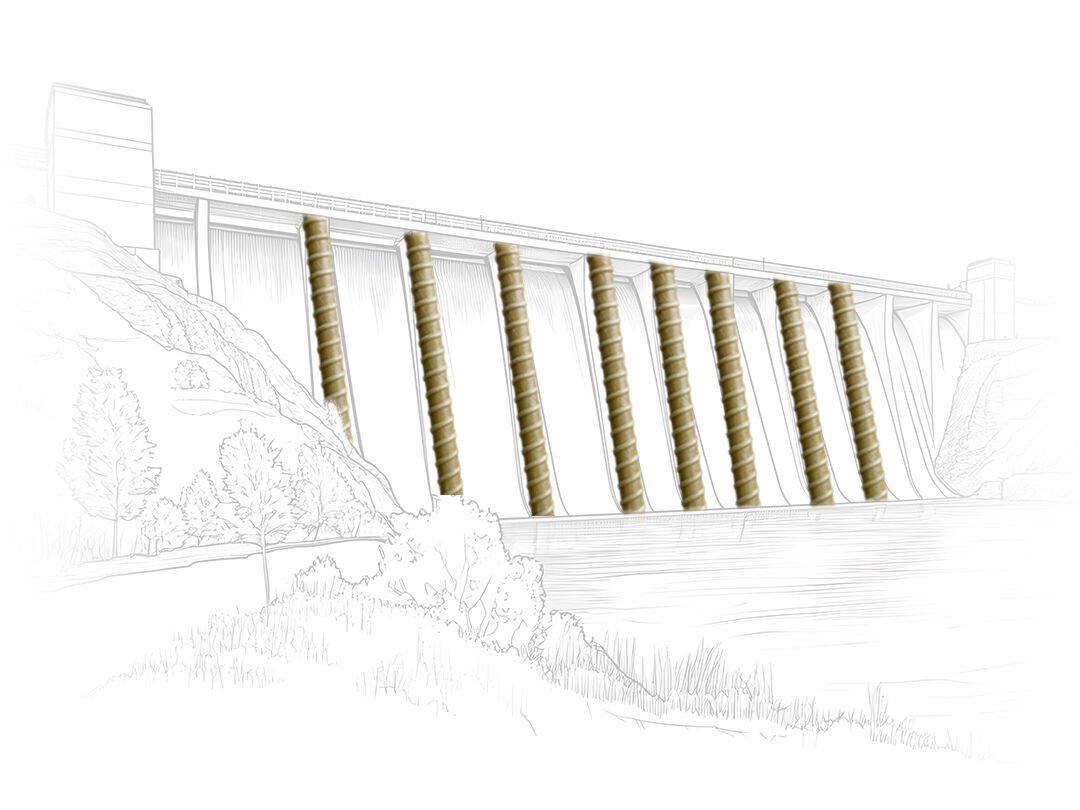
Marine & Coastal
Seawalls & Retaining Walls
Pile Foundations in Saltwater
Bridge Piers
Jetties, Ports & Harbours
Underwater Concrete Elements
Walkways & Decks in Coastal Zones
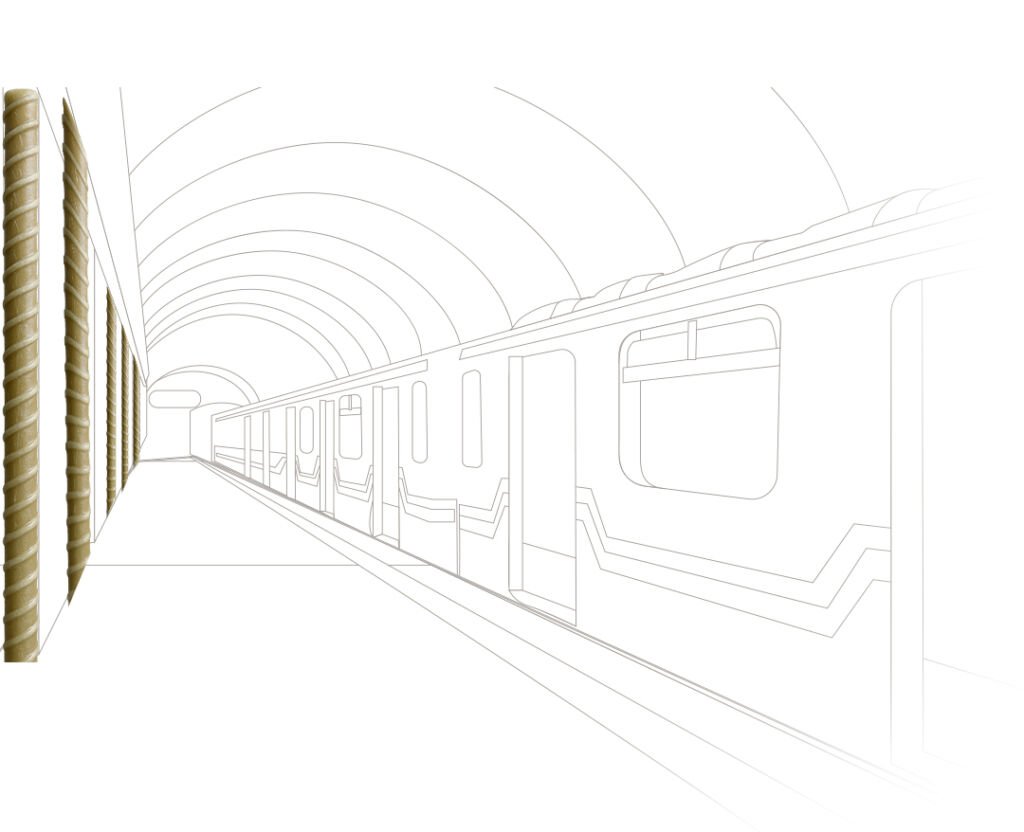
Tunnels and Underground Works
Tunnel Linings & Segments
Underground Retaining Structures
Soft Ground Support Systems
Utility Vaults & Shafts
Cut & Cover Tunnel Slabs
Mining Roof & Wall Stabilization
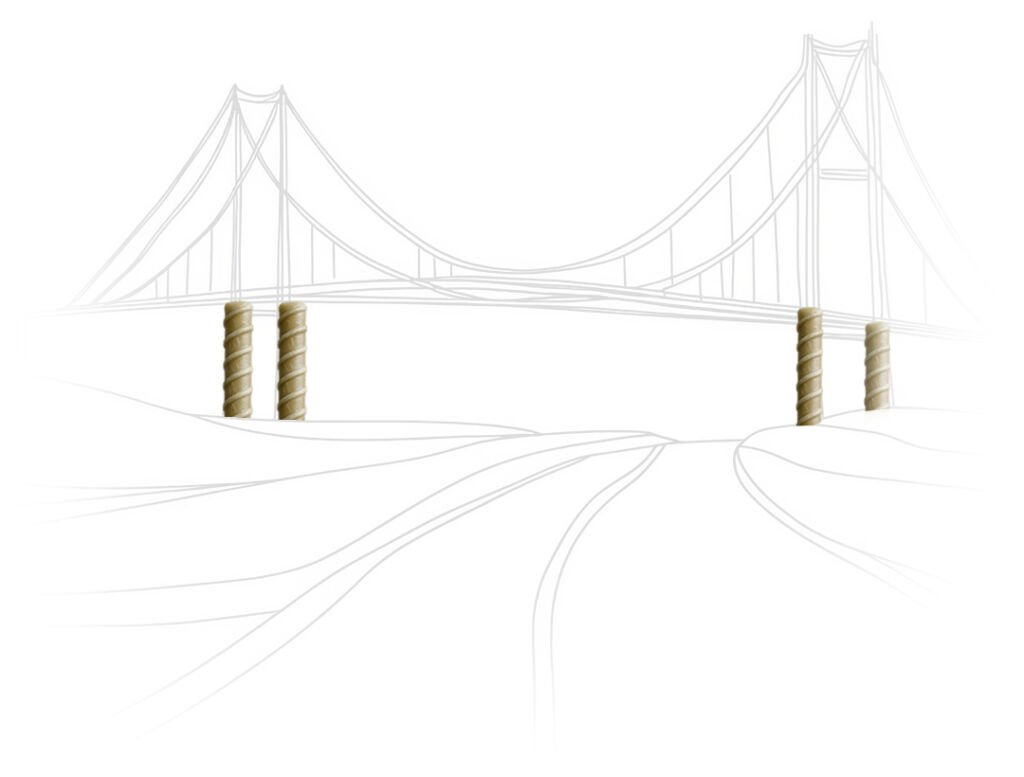
Roadways & Bridges
Bridge Decks & Approach Slabs
Crash Barriers & Parapet Walls
Roadway Slab Culverts
Median Barriers & Dividers
Expansion Joint Slabs
Retaining Walls for Flyovers
Industrial Plants
Chemical Storage Foundations
Cooling Towers & Water Basins
Industrial Flooring & Pavements
Wastewater Treatment Structures
Acidic & Corrosive Zone Slabs
Electrical Equipment Enclosures
Infrastructure
Metro & Railway Platforms
Airport Runways & Taxiways
Utility Ducts & Drain Covers
Metro & Railway Platforms
Urban Flyovers & Underpasses
Retaining Walls & Noise Barriers
Water Supply & Sewerage Systems
Understanding GFRP Rebar Price in India
When evaluating GFRP price in India, it is important to consider the overall lifecycle value rather than just initial material cost. While GFRP rebar may have a higher upfront cost compared to steel, it delivers substantial long-term savings through reduced maintenance, zero corrosion and extended service life.
Key factors influencing GFRP price in India include:
- Bar diameter and length
- Resin formulation and fiber content
- Project volume and customization requirements
For large-scale infrastructure and industrial projects, GFRP bars in India offer a cost-effective reinforcement solution when evaluated over the structure’s full lifespan.


Trusted GFRP Rebar Supply for Indian Projects
With growing adoption across sectors, dependable GFRP rebar manufacturers in India are expected to deliver not just products but technical consistency and supply reliability. As experienced FRP rebar manufacturers in India, the focus remains on supporting infrastructure growth with durable reinforcement solutions suited to Indian environmental and structural conditions.
By working closely with engineers and contractors, leading GFRP rebar suppliers in India ensure that every GFRP rebar supplied aligns with project specifications, performance expectations and long-term durability goals.
Need Project-Specific GFRP Rebar Support?
For detailed specifications, technical guidance or volume requirements related to GFRP rebar, connect with experienced GFRP rebar manufacturers in India to discuss your project needs. Expert support ensures the right GFRP bars in India are selected for optimal structural performance and long-term value.