

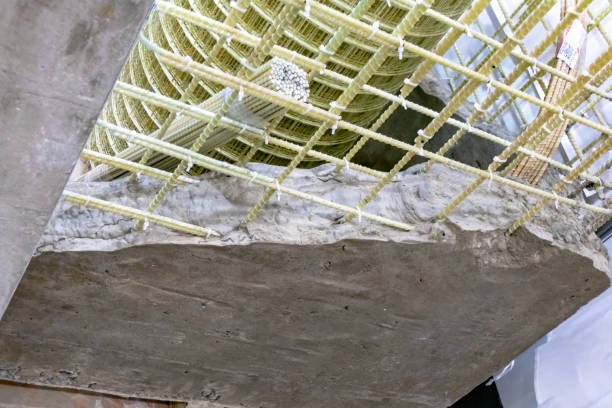
The bar for modern infrastructure has never been higher. Structures are now expected to serve longer, withstand harsher conditions and demand far less upkeep than anything built a generation ago. A coastal bridge, chemical processing facility, water treatment plant running every hour of every day – all of them need materials that can genuinely keep up with those expectations.
That is a big part of why gfrp rebar is showing up more and more in engineering specifications where steel used to be the automatic answer. Steel has done its job reliably for decades but rust and corrosion have always been its weak points and in tough environments those weak points become expensive problems over time.
Glass fiber reinforced polymer bars came into the picture as a direct response to that challenge. And today, you will find gfrp rebar doing real work across bridges, tunnels, marine structures, industrial facilities and major public infrastructure – anywhere that durability and reduced long-term maintenance are not optional extras but core requirements.
What Is GFRP Rebar?
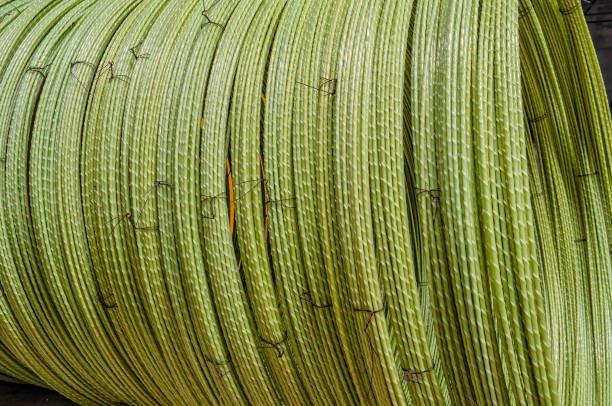
At its core, gfrp rebar is a reinforcement bar built from glass fibers that are bound together using polymer resin. The result is a bar that can handle structural loads without carrying the one weakness that steel-reinforced concrete has for generations, which is the tendency to corrode.
When you place steel inside concrete and expose that structure to moisture, salt or chemicals over time, rust becomes almost inevitable. And once corrosion sets in, it does not stay contained. It spreads, it expands, it pushes against the surrounding concrete until cracks appear and then the repair cycle begins.
Gfrp rebar does not follow that path. They hold up in conditions that would eventually compromise steel and they do so without adding excessive weight to the structure.
That combination, resistance to corrosion and a lighter physical profile, is what has made gfrp rebar increasingly difficult to overlook for projects where long-term performance actually matters.
Lower Maintenance and Repair Costs
One of the more important shifts happening in how infrastructure projects get evaluated is the move away from looking only at upfront material costs. The real question is increasingly what a structure will cost to own and maintain over its full lifespan.
When steel reinforcement corrodes inside a structure, the repair process is rarely simple or cheap. Concrete has to come out. The damaged reinforcement needs to be addressed. The structure may need to be taken out of service for a period. Labor, materials and downtime all stack up and in some cases this happens multiple times over a structure’s life.
Choosing gfrp rebar reduces the likelihood of that cycle occurring. Not because maintenance disappears entirely but because the primary trigger for expensive structural repairs, corrosion, is removed from the equation.
When companies look at gfrp price in India today, the smarter ones are running the numbers over twenty or thirty years, not just looking at the line item cost against steel. That longer view tends to make the case for gfrp rebar quite clearly.
Corrosion Resistance Is One of the Biggest Advantages
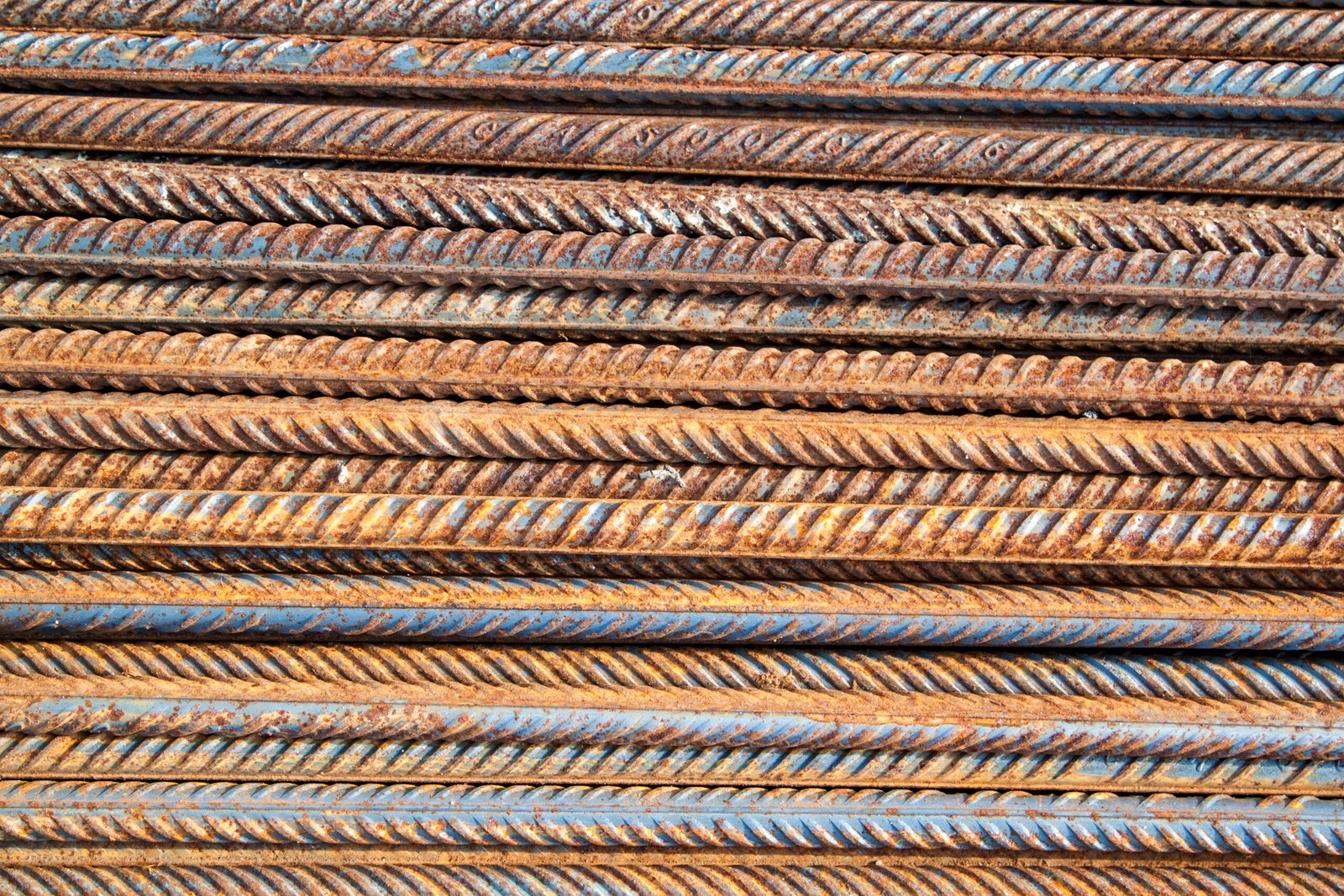
Talk to anyone who has managed the maintenance of a coastal bridge, a port facility or a water treatment plant and the conversation will almost always come back to corrosion. It is one of the most expensive ongoing challenges in infrastructure management.
Steel reinforcement begins breaking down the moment conditions allow moisture or salt to reach it inside the concrete. What starts as surface rust gradually becomes a structural concern. Concrete cracks. Sections need to be cut out and replaced. Facilities sometimes need to be partially shut down to make repairs safe.
Gfrp rebar sidesteps this entire problem because it simply does not rust. It is not just a marginal improvement many companies now prefer gfrp rebar for:
- Coastlines and marine structures
- Chemical processing plants
- Water treatment facilities
- Underground systems
- Bridges in high-humidity zones
In these conditions, corrosion resistance is not just an added advantage. It directly affects the lifespan and maintenance cost of the structure.
High Strength for Demanding Infrastructure Projects
A reasonable question when hearing about a lighter reinforcement bar is whether it compromises on strength. The short answer is no.
Gfrp rebar delivers high tensile strength. In fact, when compared on a weight-for-weight basis, glass fiber reinforced polymer bars can outperform steel in tensile capacity. What makes this genuinely useful in infrastructure applications is that the strength does not degrade the way steel can when corrosion starts working against it.
A steel bar in a corroding environment is not just a maintenance problem. It is eventually a structural one. Gfrp rebar in the same environment keeps performing because the conditions that eat away at steel have no equivalent effect on polymer-based reinforcement.
For tunnels, retaining walls, industrial slabs and bridge decks, that kind of sustained performance over time is exactly what engineers need to plan around.
Lighter to Handle, Easier to Work With on Site
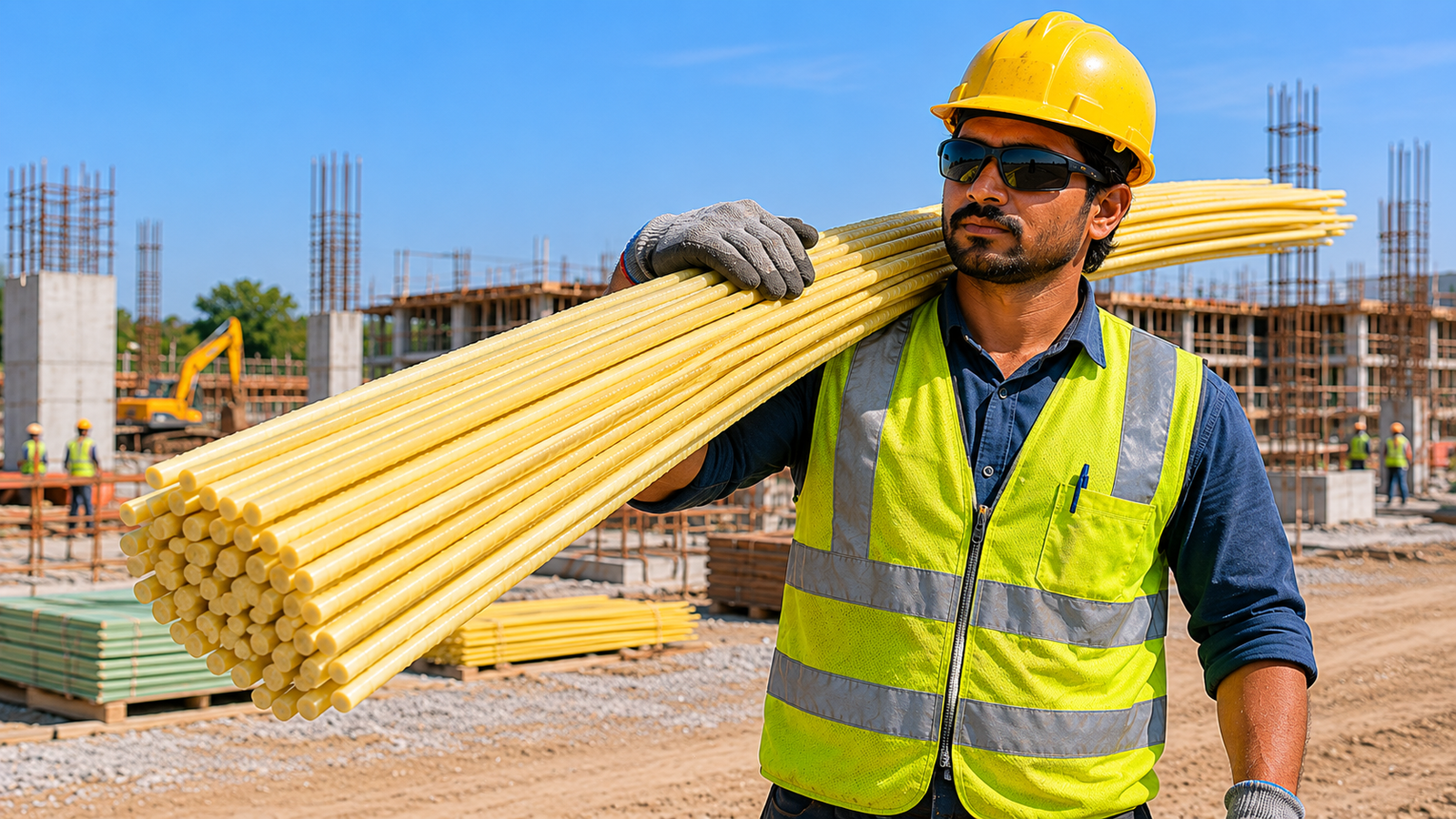
Anyone who has worked on a large reinforcement project knows how physically demanding it can be. Steel rebar is heavy. Moving it around a site, positioning it correctly, tying it in place, all of that takes labor, time and often equipment.
Gfrp rebar is considerably lighter and that difference shows up in practical ways from the moment it arrives on site. Crews can move it with less effort. Positioning takes less time. Transportation costs come down because you are simply moving less weight across the same distance.
For smaller teams or projects working under tight timelines, this is not a minor convenience. It can genuinely affect how a job gets done, how long it takes and what it ends up costing.
There is also a structural benefit worth mentioning. Lighter reinforcement contributes less dead load to the overall structure, which can matter in applications like bridges or precast panels where overall weight management is part of the engineering conversation.
Built to Last Through Difficult Conditions
Infrastructure is not built to last a few years. It is built with the expectation of decades of continuous use, often in conditions that are genuinely hard on materials.
Saltwater exposure, chemical contact, persistent humidity, freeze-thaw cycles in some regions, these are not edge cases. They are the operating reality for a large share of the infrastructure being built today.
Gfrp rebar was developed specifically to handle these environments without the performance decline that tends to follow steel in similar conditions. This is why it is especially important in:
- Coastal and port infrastructure
- Industrial chemical facilities
- Sewage and water treatment systems
- Metro lines and underground tunnels
- Marine construction
The service life advantage of gfrp rebar is not just about avoiding repairs. It is about building something that can be trusted for the long haul without constant intervention.
Non-Conductive and Non-Magnetic Properties
There is a category of construction projects where the reinforcement material needs to do something beyond holding up concrete. In facilities where electromagnetic interference is a concern, steel reinforcement can actively create problems.
MRI suites in hospitals, electrical substations, railway signalling zones, data centres, power generation facilities, all of these have environments where the magnetic or conductive properties of steel reinforcement work against the function of the building itself.
Gfrp rebar is non-conductive and non-magnetic. It does not interfere with sensitive equipment or systems. For these specialised applications, glass fiber reinforced polymer bars are not simply an alternative to steel. They are genuinely the better-suited material for the job.
Growing Demand for GFRP Bars in India
The infrastructure build-out happening across India is significant in scale and it is increasingly focused on building things that will perform well over the long term rather than just getting something up quickly.
That context is driving real growth in the use of gfrp bars in India. Sectors that are seeing the strongest adoption include coastal and marine infrastructure, industrial construction, water management systems, public transport networks and urban infrastructure projects in humid or chemically challenging environments.
This growing demand is also creating space for capable frp rebar manufacturers in India to step up and supply quality reinforcement at scale. The conversations that used to happen mainly at the engineering specification level are now happening at the procurement level too, which signals that the material is moving into genuine mainstream adoption.

Steel has served the construction industry well and it will continue to have a place in many applications. But for projects where moisture, salt, chemicals or long service life expectations are part of the picture, gfrp rebar addresses a set of problems that steel simply was not built to handle.
Corrosion resistance, manageable weight, strong tensile performance and a maintenance profile that holds up over decades make it a genuinely practical choice rather than just an engineering curiosity.
For infrastructure owners and developers who are thinking carefully about what their projects will cost and perform like twenty or thirty years from now, we at Global Fiber Reinforced Polymer LLP provide gfrp bars in India built around exactly those long-term requirements.
FAQs
1. Why is gfrp rebar used in modern infrastructure?
Because it removes corrosion from the equation entirely, which is the leading cause of long-term structural deterioration in traditional steel-reinforced concrete.
2. Is gfrp rebar stronger than steel?
It offers high tensile strength, often exceeding steel on a weight-for-weight comparison, while being considerably lighter overall.
3. What affects gfrp price in india?
Bar diameter, resin grade, required tensile performance and project volume are the main factors that influence pricing.
4. Where are gfrp bars in India commonly used?
Marine structures, bridges, tunnels, industrial plants, water treatment facilities and metro infrastructure are the most common applications currently.
5. Why are companies choosing glass fiber reinforced polymer bars over steel?
The combination of zero corrosion risk, lower long-term maintenance costs and strong durability in harsh conditions makes them a more practical choice for projects built to last.