

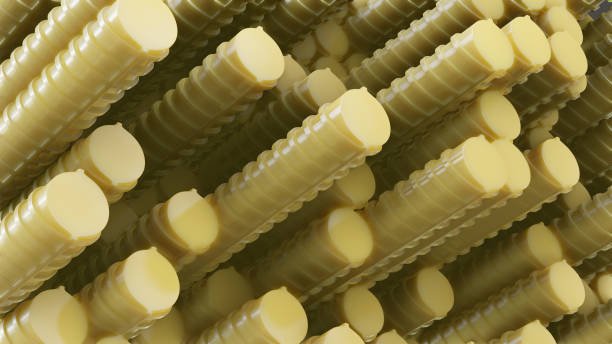
Modern infrastructure is evolving rapidly and the materials used in construction are evolving with it. One such innovation gaining attention across the construction and infrastructure sectors is glass fiber reinforced polymer bars. These advanced reinforcement materials are increasingly being considered as alternatives to traditional steel rebar because they offer durability, corrosion resistance and long-term structural performance.
Across bridges, highways, coastal structures and industrial facilities, engineers are exploring new reinforcement solutions that can withstand harsh environments and reduce long-term maintenance costs. This is where gfrp rebar is proving to be valuable.
Understanding how these bars work, their properties and where they are used can help construction companies, infrastructure developers and engineers make more informed material decisions.
What Are Glass Fiber Reinforced Polymer Bars?
Glass fiber reinforced polymer bars are composite reinforcement materials made by combining high-strength glass fibers with polymer resin. These fibers are embedded within the resin matrix to create reinforcement bars that are strong, lightweight and resistant to corrosion.
Unlike traditional steel reinforcement, these composite bars do not rust or degrade when exposed to moisture, chemicals or saltwater. This makes them particularly suitable for structures exposed to aggressive environmental conditions.
The combination of glass fibers and polymer resin creates a reinforcement material with high tensile strength while maintaining a relatively low weight. As a result, they are easier to transport, handle and install compared to conventional steel bars.
How Glass Fiber Reinforced Polymer Bars Are Manufactured
The production of composite reinforcement bars involves a controlled manufacturing process designed to ensure structural reliability and consistent performance.
The process generally includes the following steps:
1. Glass Fiber Preparation
High-strength glass fibers are produced and arranged in bundles. These fibers provide the main tensile strength of the reinforcement bar.
2. Resin Impregnation
The fibers are then saturated with polymer resin, which binds the fibers together and protects them from environmental damage.
3. Pultrusion Process
The impregnated fibers are pulled through a heated die using a process known as pultrusion. This step shapes the fibers into solid reinforcement bars while curing the resin.
4. Surface Profiling
To ensure strong bonding with concrete, the bars are given a textured or sand-coated surface.
Through these processes, manufacturers produce reinforcement materials designed to meet the performance requirements of modern infrastructure projects.
Key Properties of Glass Fiber Reinforced Polymer Bars
The popularity of composite reinforcement materials is largely due to their unique set of mechanical and chemical properties.
| Property | Description |
| High Tensile Strength | Strong resistance to tension, suitable for reinforcing concrete structures |
| Corrosion Resistance | Does not rust even in moisture or chemical exposure |
| Lightweight | Much lighter than steel, making transportation and handling easier |
| Non-Magnetic | Suitable for structures where electromagnetic interference must be avoided |
| Electrical Insulation | Does not conduct electricity |
| Long Service Life | Helps increase the lifespan of reinforced concrete structures |
These properties make glass fiber reinforced polymer bars particularly attractive for projects where durability and reliability are essential.
Applications of GFRP Bars in Construction
With growing demand for corrosion-resistant reinforcement, gfrp bars in India are now being used in a wide range of infrastructure and industrial projects.
1. Bridges and Highways
Bridges are constantly exposed to moisture, de-icing salts and environmental stress. Using composite reinforcement helps reduce corrosion-related structural damage.
2. Coastal and Marine Structures
Saltwater is one of the biggest causes of steel corrosion. Composite reinforcement materials perform exceptionally well in these environments.
3. Industrial Flooring
Factories and industrial facilities often deal with chemical exposure and heavy loads. Composite reinforcement bars offer durability in such demanding conditions.
4. Chemical Plants
Chemical processing environments can be aggressive toward traditional reinforcement materials. Composite bars provide improved resistance to chemical corrosion.
5. Tunnels and Underground Structures
Underground structures benefit from reinforcement that does not degrade due to moisture or environmental conditions.
As infrastructure projects continue to grow, demand for gfrp bars in India is expected to increase significantly.
Glass Fiber Reinforced Polymer Bars vs Steel Rebar
A common question engineers ask when evaluating reinforcement materials is how composite bars compare with steel reinforcement.
| Feature | Composite Bars | Steel Rebar |
| Corrosion Resistance | Highly resistant | Prone to rust |
| Weight | Lightweight | Heavy |
| Maintenance | Low maintenance | Higher maintenance |
| Electrical Conductivity | Non-conductive | Conductive |
| Lifespan | Longer in harsh environments | Can deteriorate due to corrosion |
While steel has traditionally been the standard reinforcement material, composite reinforcement is increasingly preferred in projects where corrosion resistance is critical.
This shift is one reason why gfrp rebar manufacturers in India are seeing growing demand from infrastructure developers and engineering firms.
Advantages of Using Composite Reinforcement in Infrastructure
The adoption of composite reinforcement materials in modern construction is driven by several advantages.
1. Improved Durability
Composite reinforcement materials resist corrosion, which helps extend the life of structures exposed to moisture or chemicals.
2. Reduced Maintenance Costs
Structures reinforced with corrosion-resistant materials require fewer repairs over time.
3. Lightweight Installation
Because these bars are significantly lighter than steel, they are easier to transport and install on construction sites.
4. Better Performance in Harsh Environments
Marine structures, chemical plants and coastal infrastructure benefit greatly from corrosion-free reinforcement.
5. Sustainable Construction
Longer lifespan and reduced repair requirements contribute to more sustainable infrastructure development.
These benefits explain why engineers and project developers are increasingly exploring solutions from gfrp rebar suppliers in India.
Design Considerations for Engineers
Although composite reinforcement materials offer many benefits, engineers must consider certain design factors when incorporating them into construction projects.
One important factor is the modulus of elasticity, which is generally lower than that of steel. This means structural designs may need adjustments to account for different stiffness characteristics.
Other considerations include:
- Proper anchorage and bonding with concrete
- Structural load calculations
- Compliance with relevant engineering standards
- Correct installation methods
Understanding these factors helps ensure that reinforced structures perform reliably over their intended lifespan.
Future of Composite Reinforcement in Construction
The construction industry is gradually shifting toward materials that provide long-term durability and reduced lifecycle costs. Composite reinforcement materials are expected to play an increasingly important role in this transition.
Infrastructure expansion, urban development and the need for corrosion-resistant materials are driving interest in composite reinforcement solutions. As more projects adopt these technologies, the role of gfrp rebar manufacturers in India will continue to grow in supporting modern infrastructure development.
From bridges and highways to marine structures and industrial facilities, composite reinforcement materials are helping engineers build structures that last longer and perform better in demanding environments.
As infrastructure projects become more complex and demanding, the need for durable and corrosion-resistant reinforcement materials continues to grow. Glass fiber reinforced polymer bars offer a modern alternative to traditional steel reinforcement by combining high strength, lightweight properties and resistance to environmental damage.
For industries looking to adopt advanced reinforcement solutions, working with experienced gfrp rebar suppliers in India can help ensure reliable material performance and long-term structural integrity.
Organizations seeking high-quality glass fiber reinforced polymer bars for infrastructure, industrial and construction projects can explore solutions from Global Fiber Reinforced Polymer LLP, known for manufacturing advanced reinforcement materials designed for modern engineering challenges.
FAQs
1. What are glass fiber reinforced polymer bars used for?
Glass fiber reinforced polymer bars are used to reinforce concrete in structures such as bridges, highways, marine infrastructure, tunnels and industrial facilities where corrosion resistance and durability are essential.
2. Are composite reinforcement bars stronger than steel?
In terms of tensile strength, composite reinforcement materials can perform very well. However, steel has higher stiffness, which means engineers must design structures differently when using composite reinforcement.
3. Do composite reinforcement bars rust?
No. Composite reinforcement materials do not rust because they are made from glass fibers and polymer resin rather than metal.
4. Why are composite reinforcement bars used in coastal structures?
Coastal structures are exposed to saltwater, which causes steel corrosion. Composite reinforcement materials resist corrosion and therefore help extend the lifespan of these structures.
5. Are composite reinforcement bars used in India?
Yes, the use of gfrp bars in India is increasing in infrastructure projects, particularly where corrosion resistance and durability are required.