

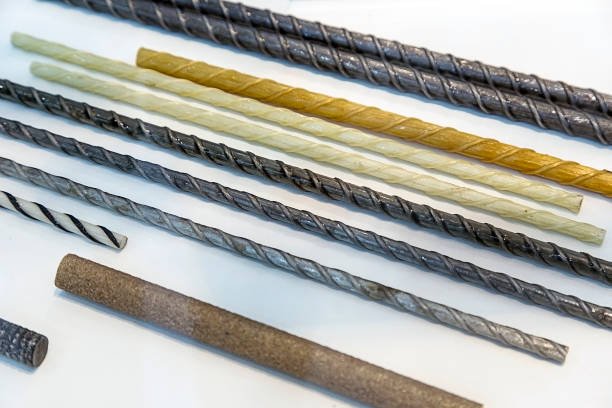
For decades, steel reinforcement has been a standard choice for various construction projects. From bridges and highways to industrial flooring and marine structures, steel bars have been used in countless applications. Yet one of the major problems affecting several sectors through the years has been corrosion.
Corrosion of steel bars embedded in concrete can weaken the overall structure significantly over time, leading to frequent repairs, higher maintenance and in most cases, lifespan of the structure gets reduced much earlier than expected. Thus it comes as no surprise that several engineers, contractors and infrastructure developers are turning to gfrp rebar for projects where structural longevity matters more than short-term savings.
Glass fiber reinforced polymer bars are increasingly being used in many different applications owing to their corrosion resistant nature while maintaining the needed strength. Whether it is a construction near the coast, a chemical plant, a tunnel, bridge or even a water treatment facility, gfrp rebar is seeing growing demand.
What is GFRP Rebar?
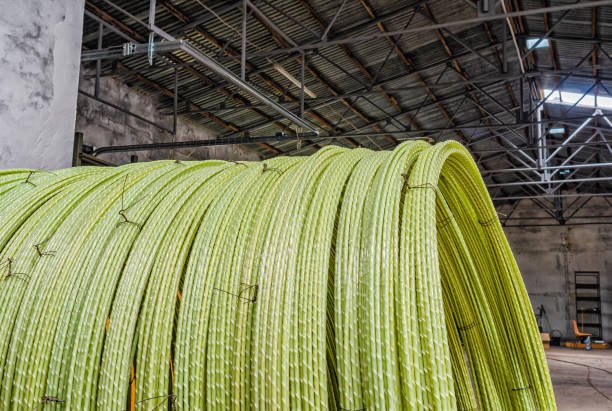
Gfrp rebar is a type of non-metallic rebar which is made from the combination of glass fiber and polymer resin. While these bars possess qualities similar to conventional steel rebars such as strength, their corrosive properties are entirely different to steel rebars.
This simple difference changes a lot in real-world construction.
While it might take time for steel rebars to rust, once embedded in concrete structures their performance will eventually decline over time. Gfrp rebars do not react in the same manner as steel rebars when exposed to chemicals, salts or other corrosive environments; which can weaken a concrete structure significantly.
Due to its extremely low weight when compared to steel rebar, glass fiber reinforced polymer bars can be easily transported, stored and installed on site thus significantly speeding up the construction phase.
Why Corrosion Resistance Matters So Much
Perhaps the biggest advantage of gfrp rebar is that it simply does not rust.
For a construction project, especially one dealing with large infrastructure such as roads, railways or marine structures, it can make a massive difference in long-term costs, structural life and performance. Rust begins to corrode the steel bars in an internal manner, often going unnoticed until visible cracks on the surface of the structure and repair becomes a much costlier task by that time.
This is why gfrp rebar is becoming popular in:
- Coastal structures
- Marine environments
- Water treatment facilities
- Chemical plants
- Bridges and flyovers
- Underground tunnels
Structures built in such environments tend to be subjected to extreme conditions and exposure to moisture, salt and chemicals, where standard steel rebar will need constant maintenance in order to maintain its integrity over time. Gfrp rebar’s longevity in these circumstances would not only be superior to steel rebars but also require significantly less upkeep over time.
For companies managing large-scale projects it’s often as important to minimize repair work in the future, as it is to limit initial costs of construction.
Greater Strength with Reduced Weight
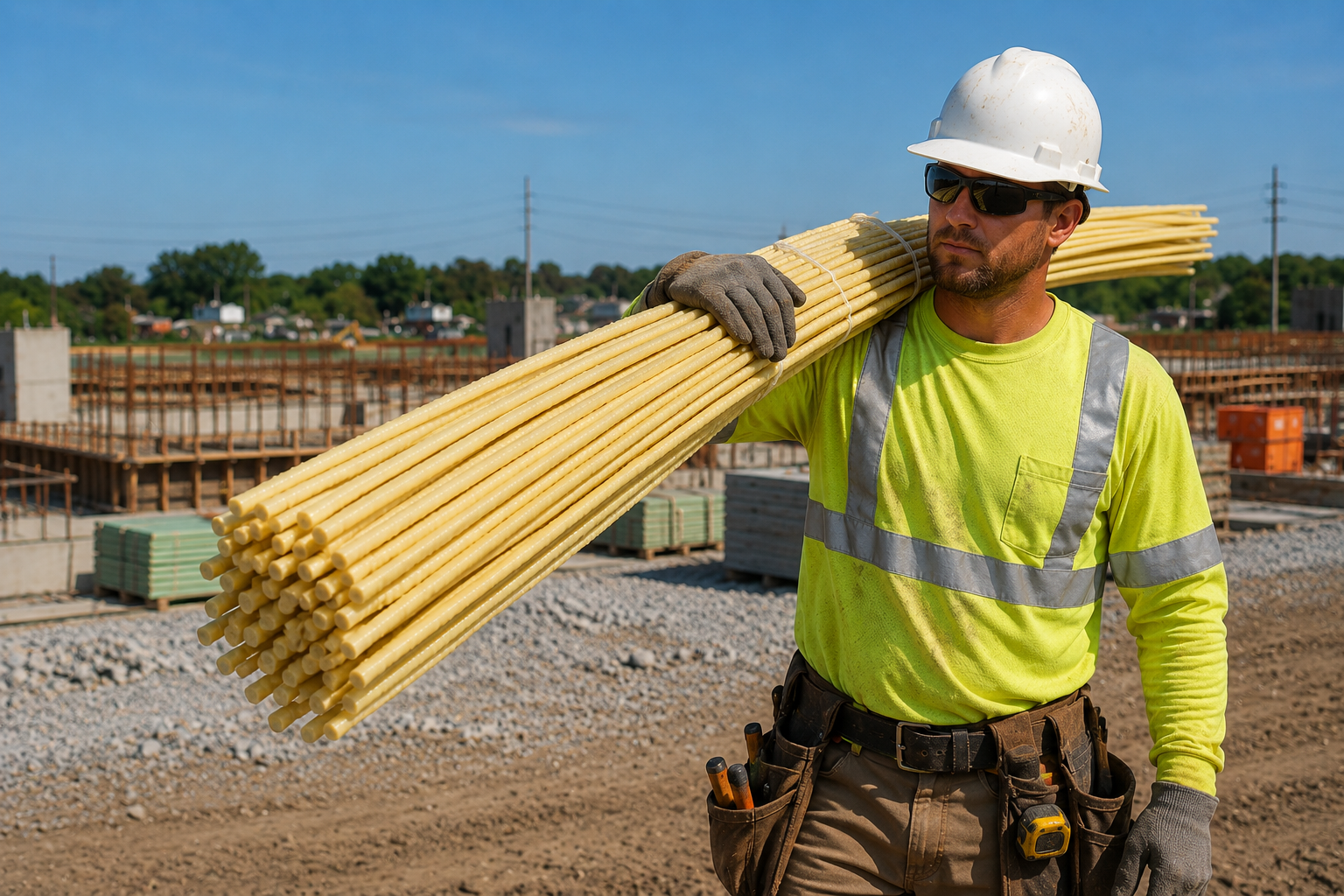
One of the other highly desirable attributes of gfrp rebar is its superior strength-to-weight ratio.
Despite being very light these bars can still offer great tensile strength which can result in improved handling while also reducing the overall burden during transportation and installation of rebars.
Such improvements in on-site efficiency will greatly help reduce installation labor and speed up completion of large construction projects, thus providing great benefits in terms of time and money.
Reduced dead load with glass fiber reinforced polymer bars also becomes extremely important in certain applications such as for use in elevated concrete structures or bridges, where weight reduction is important.
Higher Performance for Specific Applications
Steel rebar can lead to limitations in locations such as areas prone to electrical interference and magnetic effects. This is another application where gfrp rebar has an edge over its steel counterpart.
Due to their electrically non-conductive and non-magnetic nature, gfrp rebars are a highly preferred in projects like:
- MRI Rooms and hospitals
- Railway infrastructure
- Electric substations
- Power plants
- Data centers
All of these applications require reinforcement but standard steel rebar’s magnetic and conductive properties may potentially interfere with sensitive equipment. However, gfrp rebar provides strength and resistance while eliminating the risk associated with electrical conductivity and magnetic effects.
Long-Term Cost Benefits

A common question many buyers ask is whether gfrp price in India is higher compared to steel.
The reality is that upfront material cost may sometimes appear higher but when you look at the long term cost benefits that gfrp rebar offers over conventional steel bars; it turns out to be a far more economically viable choice for the contractor.
Steel structures, when exposed begin to show signs of degradation due to corrosion which results in the increased cost of repair, shutdown of operations, ongoing maintenance and finally full replacement, particularly in adverse weather and chemical conditions.
As mentioned earlier gfrp rebar has the ability to perform over many years, while requiring minimal maintenance, making them a more cost effective solution for those wanting their infrastructure to last a lifetime.
Many companies evaluating gfrp price in India will likely need to consider all these factors to make an informed purchase.
Growing Demand for GFRP Bars in India
Due to the ever increasing growth in construction infrastructure all over India, the demand for more robust construction material is rising.
Construction companies are now looking for materials that can improve structural life while reducing long-term maintenance pressure. This is especially important in sectors such as:
- Smart city projects
- Coastal infrastructure
- Industrial constructions
- Water management systems
- Transportation projects
- Ports and marine facilities
It is only when people become aware of how the use of certain reinforcements directly translates to lesser maintenance costs that more project owners and consultants look for and consider the value addition that gfrp rebar offers.
Things Buyers Should Consider Before Choosing GFRP Rebar
Like any construction material, gfrp rebar must also be selected and assessed carefully based on the requirements of each specific project. While it may boast of many advantages, it is still important to understand what differentiates quality products.
Factors that typically influence the buyer’s choice are:
- Tensile strength of the rebars
- Quality of the resin used
- Certification of the product
- Manufacturing standards and adherence to norms
- Provision of technical support
- Project compatibility
The quality and expertise of frp rebar manufacturers in India becomes crucial where quality consistency plays an integral role.
Manufacturers with proven track records usually also offer proper support and guidance based on client requirements.
Why the Construction Industry is Moving Toward Smarter Reinforcement Solutions
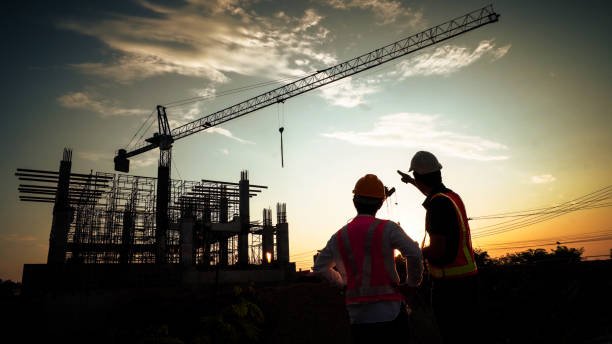
Modern infrastructure projects are expected to last longer than ever before. At the same time, maintenance budgets are becoming tighter and industries are under pressure to improve efficiency.
This shift is pushing engineers and procurement teams to rethink traditional materials.
Instead of choosing reinforcement only based on immediate material cost, companies are now evaluating durability, lifecycle performance, maintenance requirements and environmental resistance. This is exactly where gfrp rebar continues to stand out.
Its ability to resist corrosion, reduce maintenance, simplify handling and improve long-term structural performance makes it a practical choice for many modern applications.
As awareness continues growing, the adoption of glass fiber reinforced polymer bars is expected to increase across both industrial and infrastructure sectors.

The construction sector is increasingly moving towards more durable and low-maintenance construction materials. Even though steel still plays a vital role in the construction sector, its susceptibility to corrosion is compelling the sectors to look out for stronger alternatives.
In order to achieve that, gfrp rebar is the focus for projects such as bridges, marine applications, tunnels, industries and various water related structures. Its lightweight, corrosion resistant, high strength, long service life makes it ideal for construction applications where durability truly matters.
For companies looking to source high-quality and durable reinforcement materials for heavy applications, the advanced glass fiber reinforced polymer bars offered by one of the top gfrp manufacturers – Global Fiber Reinforced Polymer LLP is a solution that caters to the demands of modern infrastructure and industrial construction needs.
FAQs
1. Why is gfrp rebar preferred over steel in certain applications?
Gfrp rebar does not rust unlike steel, making it superior over steel on coastal, marine and industrial applications on chemical exposure projects where corrosion is a major issue.
2. Is gfrp rebar stronger than steel?
Tensile strength of gfrp rebar is often superior to steel while it is being extremely light in weight making it convenient to transport and install.
3. Does gfrp rebar need lower maintenance?
Yes. Being resistant to both corrosion and moisture damage of the structure built using gfrp rebar requires much lower repairs on structure.
4. What affects gfrp price in india?
Cost is mainly determined by the size of the bar, quality of materials and tensile strength required and the amount ordered for the project.
5. Where are gfrp bars in India commonly used?
Gfrp bars in India are widely used in Bridges, tunnels, marine application, water treatment plants and industries where longevity is concerned.